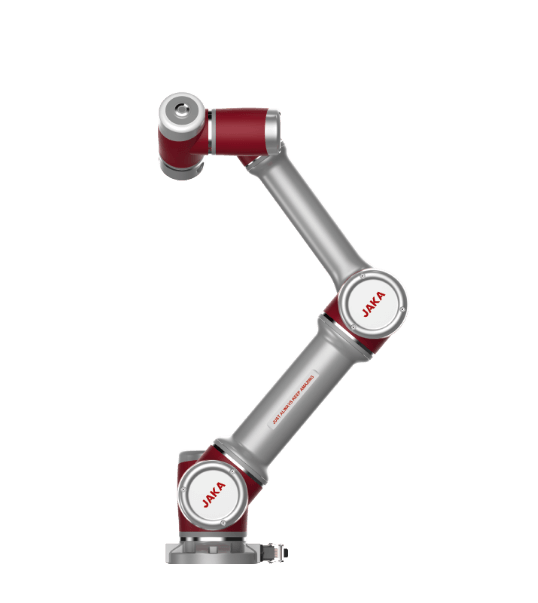
Operating an industrial robot arm requires careful attention to safety, especially in environments where humans and machines work in close proximity. As automation becomes more accessible, proper training and system design are critical to minimizing risks. JAKA develops advanced robotic solutions that emphasize safe interaction, intuitive controls, and stable performance. Whether deploying a traditional arm robot industrial system or a collaborative setup, following essential safety practices ensures both productivity and worker protection.
Establishing a Safe Working Environment
Before operating an industrial robot arm, the workspace should be clearly organized and free of unnecessary obstacles. Safety zones, warning indicators, and emergency stop mechanisms must be properly configured. In an arm robot industrial environment, clear boundaries help prevent unintended contact and ensure smooth operation. JAKA systems incorporate multiple protective features, including motion control optimization and collision detection, supporting safer deployment in both isolated and shared workspaces.
Proper Training and Operational Awareness
Human factors play a significant role in safe robot operation. Operators should understand the movement range, payload limits, and response behavior of each industrial robot arm. Without proper training, even a well-designed arm robot industrial system can pose risks. JAKA focuses on user-friendly programming interfaces, allowing operators to learn system controls more efficiently. This reduces the likelihood of operational errors while improving overall confidence in handling the industrial robot arm.
Real-Time Monitoring and Preventive Measures
Continuous monitoring is essential for maintaining safe operations. Sensors and control systems help detect abnormal conditions, enabling the industrial robot arm to respond quickly to unexpected situations. In an arm robot industrial setup, features such as force feedback and automatic shutdown mechanisms can significantly reduce accident risks. JAKA integrates advanced safety algorithms and stable system architecture, ensuring that each industrial robot arm operates reliably even under demanding conditions.
Maintaining Safety Through Regular Checks
Routine inspections are key to long-term safety. Components such as joints, cables, and control systems should be checked regularly to ensure proper function. A well-maintained arm robot industrial system is less likely to experience sudden failures that could compromise safety. JAKA supports easy maintenance and system diagnostics, helping businesses keep their industrial robot arm in optimal condition while maintaining a secure working environment.
