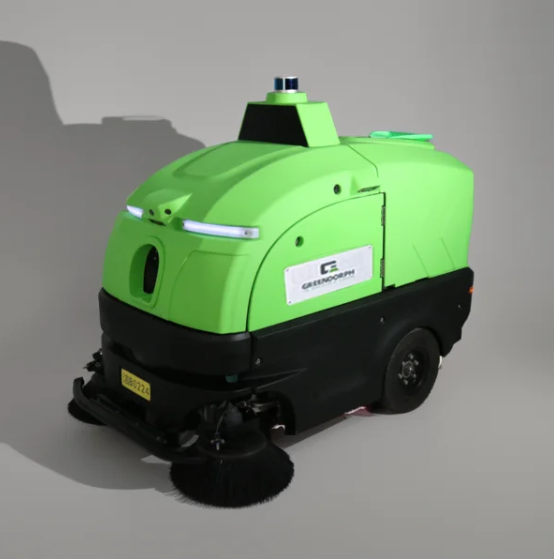
Cleaning an industrial park is different from cleaning a single building. Roads, production areas, loading zones, warehouses, and outdoor yards can collect different types of dust and debris. A practical route should reflect traffic patterns, contamination sources, and operating schedules. When an industrial cleaning machine is included, route planning should start with where cleaning is needed, how often it is needed, and what may interrupt the task.
Route planning also affects equipment selection. Industrial parks may include narrow passages, open yards, ramps, and areas shared with forklifts or trucks. Buyers comparing industrial vacuum cleaners should consider the material to be collected and the conditions along each route. For autonomous sweeping projects, Greendorph provides industrial park solutions, making its application information relevant when defining route requirements.
Start With a Site Map and Cleaning Zones
A useful route begins with a clear site map. Facility teams can divide the park into production entrances, warehouse aisles, loading docks, internal roads, outdoor yards, and waste collection points. Each zone can then be marked by surface type, traffic level, and common debris.
The next step is to locate where dirt is generated. Loading areas may collect packaging fragments and gravel. Production entrances can carry dust between indoor and outdoor spaces. Traffic lanes may accumulate particles brought in by vehicle tires. Mapping these sources helps planners decide which areas need frequent passes.
Zones can also be grouped by cleaning method. Fine dust may require controlled collection, while larger debris may need stronger intake capacity. Separating tasks by debris type can keep the route easier to manage and reduce unnecessary changes in cleaning methods.
Set Route Priority by Risk and Traffic
Not every area needs the same cleaning frequency. High-traffic routes often need more attention because forklifts, trucks, and workers can spread debris. Areas near production processes may also need shorter cleaning intervals when dust or fragments are generated during normal operations.
Risk should be considered together with appearance. Fine airborne dust, sharp fragments, or debris on vehicle routes can create operational concerns even when the floor does not look heavily soiled. These areas may need a higher route priority than low-traffic sections.
Timing matters as well. Cleaning during a shift change, production break, or lower-traffic period may reduce interference with logistics. Where autonomous equipment is used, route windows can be planned around vehicle flow so cleaning fits the site schedule.
Match Route Length to Equipment Capacity
A route that looks efficient on a map may still be impractical if it exceeds equipment capacity. Planners should consider route distance, debris load, charging needs, water use where relevant, and the time required to return to a service point.
Large industrial parks may benefit from several shorter loops rather than one long circuit. Shorter loops make it easier to assign different frequencies to high-risk and low-risk zones. They also allow one section to be adjusted when production schedules change.
Equipment capability should match the route environment. On its industrial park page, Greendorph describes the YJ130 as using negative-pressure collection with active water misting, LiDAR and 3D perception cameras, and an intake designed for stones and brick fragments up to 50 mm. The page also lists 20% gradeability for indoor floors, outdoor yards, and loading ramps.
Plan Around Shared Traffic Areas
Cleaning routes often cross forklift lanes, truck entrances, loading bays, and pedestrian areas. These points can cause interruptions, so planners should avoid unnecessary backtracking through busy sections. Repeated crossings can add time and make the schedule harder to follow.
For autonomous cleaning, separate loops can be created for busy and quiet periods. High-traffic corridors may be scheduled outside delivery peaks, while warehouse sections can be handled when fewer vehicles are moving.
Route direction also matters. A one-way sequence is often easier to manage than a path that repeatedly crosses itself. The cleaning route should move between zones logically and return to the charging, dumping, or service point without avoidable detours.
Use Cleaning Records to Refine the Route
Route planning should continue after equipment is deployed. Facility teams can record how long each section takes, where debris accumulates fastest, where the machine stops, and which areas need repeated passes. These records provide a basis for changing route frequency.
If one zone fills the collection system faster than expected, it may need a shorter interval or a different cleaning method. If another area remains relatively clean, its frequency may be reduced. This keeps cleaning activity tied to actual site conditions.
Records can also guide later equipment decisions. When comparing another industrial cleaning machine, buyers can use route data to define working time, debris capacity, obstacle conditions, and terrain. Similar records can help evaluate industrial vacuum cleaners for fine-dust areas or enclosed spaces where collection performance matters.
From Route Map to Daily Operation
Once the main cleaning zones are identified, the route can be turned into a daily or weekly schedule. High-traffic areas may need shorter cleaning intervals, while less active sections can be arranged at longer intervals. The schedule can also change when delivery times, production shifts, or seasonal debris patterns change.
For industrial park managers, route planning is therefore an ongoing operational task rather than a one-time setup. Reviewing cleaning records and adjusting route frequency can keep the cleaning plan aligned with actual site conditions as the park’s workload changes.
