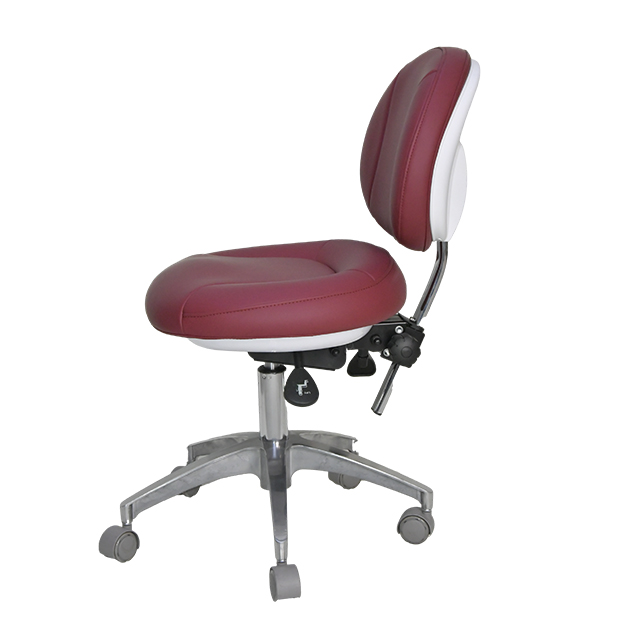
As dental operatory workflows evolve, clinical seating technology continues to advance rapidly across global medical markets. Equipment buyers and practice managers increasingly prioritize ergonomic design to reduce occupational fatigue and improve overall efficiency during daily procedures.
Investments in modern seating infrastructure directly influence the operational success and safety of dental practices. Upgrading facility equipment allows clinical teams to perform complex tasks effectively while maintaining optimal physical posture throughout long and demanding shifts.
Recent industry reports indicate that physical discomfort remains a primary concern for clinical support staff worldwide. Procurement officers are responding by sourcing seating options that actively facilitate proper posture, reduce static muscle tension, and prevent chronic strain.
Understanding how equipment design impacts daily workflow helps procurement teams make well-informed purchasing decisions. Modern operatories demand versatile seating solutions that seamlessly blend structural stability with high maneuverability across diverse clinical environments.
Key Material and Structural Innovations for a Dental Stool
Material selection in clinical seating has shifted toward high-density memory foams and specialized polyurethane upholstery. A modern dental stool must endure frequent chemical sanitization without degrading, ensuring long-term structural integrity and high surface hygiene standards.
Framework designs have also transitioned toward lightweight, high-grade aluminum alloys and reinforced polymers. These materials maintain structural stability while allowing smooth movement across various floor types, which is essential for rapid positioning during procedure transitions.
Manufacturers like Roson incorporate high-grade cast bases and wear-resistant casters into their product lines. This engineering approach minimizes mechanical failure points while providing reliable, continuous support for demanding operatory environments and high-volume practices.
Additionally, internal hydraulic systems have seen notable refinements over recent production cycles. Advanced gas lifts now provide micro-adjustability, enabling precise height changes that accommodate different working heights and varying operator preferences during detailed clinical care.
Structural stability is further enhanced by optimized center-of-gravity engineering in five-star base designs. This design prevents tipping during sudden movements, providing assistants with a secure foundation while reaching for instruments or operating auxiliary clinical controls.
Dynamic Support Mechanics in a Dental Assistant Stool
Ergonomic research emphasizes the necessity of dynamic spinal support during clinical assisting routines. A supportive dental assistant stool features multi-directional body supports that rotate smoothly to assist either the back or abdomen, depending on procedure demands.
These flexible support mechanisms help distribute body weight evenly, preventing localized pressure along the lumbar spine. Proper weight distribution reduces physical fatigue during lengthy restorative appointments, maintaining assistant alertness and consistent operational focus.
The integration of adjustable foot rings represents another crucial technological focus in seating design. Elevating the feet maintains a proper knee angle, which improves lower-body circulation and stabilizes posture during extended periods of static positioning.
Seating solutions from Roson demonstrate how integrated foot support and adjustable armrests work together to stabilize posture. Such design considerations significantly reduce upper-body muscle tension during repetitive instrumentation passes and prolonged clinical tasks.
Hygienic Design Standards and Procurement Strategies
Cross-contamination prevention remains a foundational requirement in modern dental facility design. Contemporary seating incorporates seamless upholstery and concealed mechanical assemblies, leaving far fewer crevices where dust, fluids, or potential pathogens can accumulate over time.
Equally critical is surface resistance to harsh, hospital-grade liquid disinfectants. Advanced synthetic leather formulations resist surface cracking and chemical discoloration, ensuring that rigorous infection control protocols do not compromise aesthetic appeal or structural durability.
For equipment distributors and practice owners, evaluating build quality before placing bulk orders is essential. Assessing international certification standards, such as ISO specifications, ensures that selected products consistently meet rigorous safety and performance metrics.
Strategic procurement also involves evaluating supplier production stability and component traceability. Working with established supply networks reduces maintenance delays and ensures uniform quality across multi-chair clinic installations and long-term expansion projects.
Digital management systems utilized during manufacturing allow trackable quality control across every assembly stage. This systematic approach ensures that every dental assistant stool delivered to commercial distributors meets strict baseline specifications and functional standards.
Evaluating Long-Term ROI for Operatory Seating Solutions
From a financial perspective, high-quality operatory seating yields tangible returns by reducing staff downtime associated with physical strain. Investing in reliable seating creates a safer, more productive work environment for clinical support personnel across all departments.
When evaluating equipment lifecycle costs, procurement managers should examine warranty terms, frame durability, and long-term component availability. Solid construction reduces the frequency of replacement cycles, maximizing overall return on investment for dental organizations.
Furthermore, standardized operatory setups simplify staff training and daily working routines. When every room features consistent, fully adjustable seating, clinical members can transition seamlessly between operatories without sacrificing physical comfort or posture control.
As manufacturing standards refine, integrated quality control guarantees reliable performance across large shipments. This focus on precision ensures that every dental stool supplied to international medical markets fulfills rigorous commercial and clinical demands.
Future Outlook for Operatory Infrastructure
In the near term, prioritizing build quality, material durability, and functional versatility remains the most effective procurement strategy. Choosing reliable clinical equipment ensures sustainable operational efficiency and high standards of care across modern dental facilities.
By aligning procurement decisions with advanced ergonomic standards, clinical facilities foster a healthier workforce and smoother operatory workflow. These structural enhancements ultimately boost team productivity while maintaining high standards of patient care every day.
