The modern academic environment in 2026 demands more than just a place to sit; it requires a functional workstation that supports long-duration concentration and seamless technological integration. For university facility managers and architects, identifying the right furniture solution involves balancing the high-frequency usage typical of student populations with the need for silent operation and modern power connectivity. Lecture theaters serve as high-density environments where the durability of the writing surface and the ergonomic support of the seat directly impact the student’s learning experience. Furthermore, procurement teams must navigate strict fire safety regulations and ADA compliance while ensuring the furniture can withstand decades of wear and tear. This assessment explores nine industry-leading providers based on their engineering standards, material quality, and specialized focus on the higher education sector.
By evaluating the mechanical reliability and spatial efficiency of these manufacturers, institutions can ensure their infrastructure investments provide long-term value and support evolving pedagogical methods.
Full List of Top 9 University Seating Brands
- Leadcom Seating
- Sedia Systems
- KI
- Hussey Seating
- Ferco Seating
- Skeie
- Toda Furniture
- H2I Group
- School Outlet
The technical characteristics and primary applications for these providers are detailed below to facilitate a clear understanding of their respective strengths in a university setting.
Comparative Overview of Educational Seating Providers
| Brand | Key Product Series | Key Technical Features | Best For |
| Leadcom Seating | Performer, Grandeur, Scholar | High-impact writing tablets, cold-molded foam, integrated power/data | Tiered lecture theaters and high-occupancy university halls |
| Sedia Systems | J30, O60, M60 | Swing-away and fixed pedestals, sleek architectural profiles | Modern collaborative learning spaces and design-forward centers |
| KI | University, Concerto | Plywood or plastic shells, heavy-duty floor mounts | Large-scale public university renovations and high-traffic areas |
| Hussey Seating | Quattro, Telescopic | Modular designs, polymer components, flexible mounting | Multi-purpose educational spaces and gym-to-lecture conversions |
| Ferco Seating | Wrimatic, FT10 | A3-sized stowable writing tablets, gravity tip-up mechanisms | STEM lecture halls requiring large writing surfaces |
| Skeie | Skeie-Sonnata | Scandinavian design, acoustic dampening, high-end wood finishes | Premium academic institutions and recital-style lecture halls |
| Toda Furniture | Lecture Hall Series | Japanese precision engineering, compact envelopes | Dense urban campuses with limited floor space |
| H2I Group | Fixed Seating Solutions | Full-service installation, customization of standards | Turnkey projects and comprehensive campus facility updates |
| School Outlet | Collaborative Series | Budget-friendly options, focus on rapid delivery | Quick replacements and K-12 to higher-ed transitional spaces |
To determine which of these organizations aligns best with a specific institutional budget or design aesthetic, a deeper investigation into their manufacturing processes and product lines is necessary.
Detailed Brand Reviews
1. Leadcom Seating
Leadcom Seating has secured its position as a primary global supplier for the higher education market through an emphasis on vertical integration and rigorous structural testing. By controlling every stage of production—from the precision tooling of the steel frames to the injection molding of the anti-panic writing tablets—the manufacturer ensures a level of consistency that is vital for large-scale university installations. In the context of a lecture theater, where furniture must endure back-to-back classes for decades, this level of oversight minimizes the risk of mechanical failure.
For educational facilities, Leadcom Seating offers specialized auditorium solutions that feature cold-molded, high-density foam. Unlike standard cut foam, cold-molded foam is engineered to retain its shape and support for over 100,000 cycles, preventing the “bottoming out” effect often seen in older lecture halls. Their products are tested to meet BIFMA standards for durability and structural integrity, ensuring they can handle the physical stress of high-capacity student use.
Their auditorium seating solutions are particularly noted for their integrated writing surfaces. The brand provides several options, including large-format tablets that can accommodate both a laptop and a notebook simultaneously. These tablets utilize silent, “anti-panic” folding mechanisms that automatically retract when the student stands up, facilitating safe and efficient egress during emergencies. Additionally, their seats can be configured with built-in power sockets and USB ports, with internal wiring channels that keep cables protected from tampering. The flexibility in seat widths and back heights allows university planners to maximize the “pitch” (the distance between rows) while maintaining optimal sightlines for all students.
2. Sedia Systems
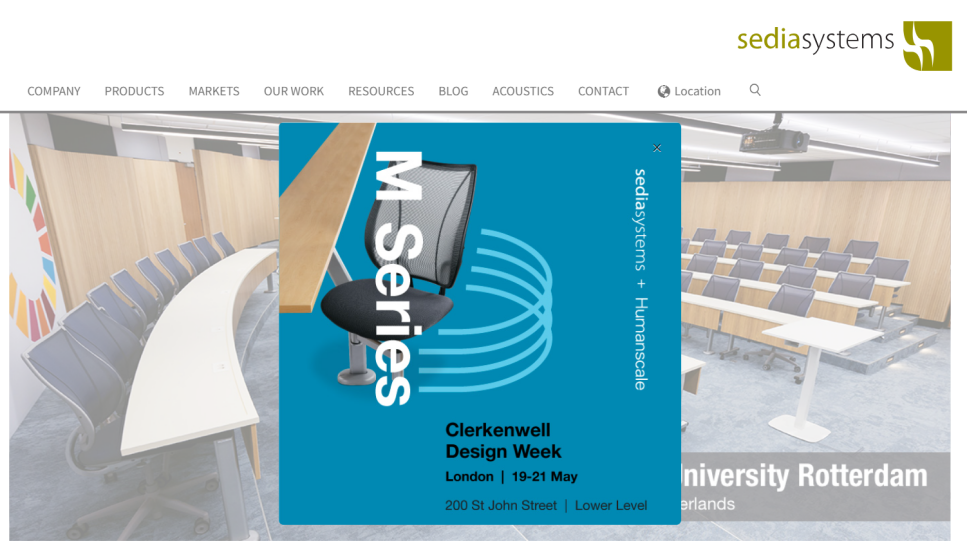
Sedia Systems is recognized for its commitment to modern architectural aesthetics and innovative spatial solutions. Their focus is often on the “fixed-to-floor” lecture hall environment where a clean, minimalist look is desired. The company is well-known for its swing-away seating, which allows for greater movement and collaboration among students in a tiered setting.
Their J30 series is a staple in design-forward universities, offering a slender profile without sacrificing comfort. Sedia Systems prioritizes the use of high-quality materials such as cast aluminum and sustainable wood veneers. Their engineering focus ensures that even their most compact models provide the necessary ergonomic support for long lectures, making them a frequent choice for modern business schools and medical colleges.
3. KI
KI (Krueger International) is a major player in the North American educational furniture market, known for producing utilitarian, high-durability products. Their strength lies in the sheer volume and variety of their catalog, catering to everything from small seminar rooms to massive 500-seat auditoriums.
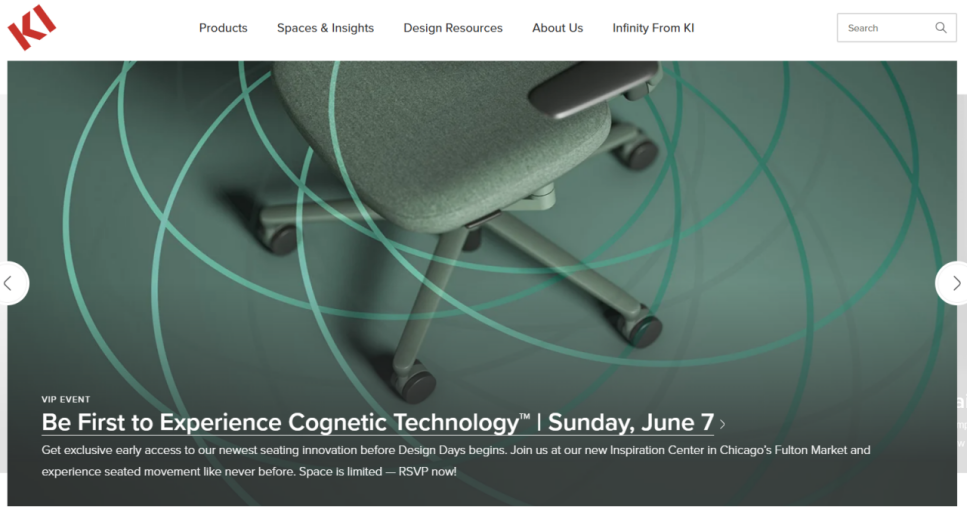
The KI Concerto and University series are designed for longevity, often utilizing high-impact polypropylene or heavy-duty plywood shells. Their products are built to be low-maintenance, with easy-to-clean surfaces and simple mechanical components. KI also offers extensive customization for floor-mounting systems, allowing their seats to be installed on almost any floor slope or riser height encountered in campus renovations.
4. Hussey Seating
Hussey Seating specializes in versatility and modularity. While they are leaders in the telescopic seating market, their fixed Quattro collection is highly regarded in the performing arts and educational sectors. This series allows for a high degree of part-interchangeability, which simplifies maintenance for university facility teams.
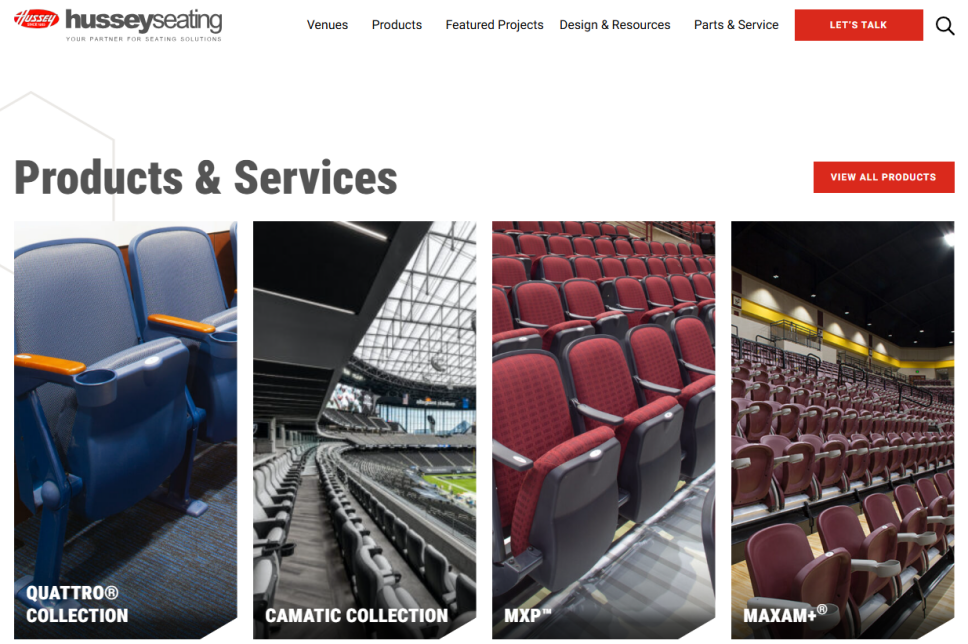
Their engineering emphasizes the use of polymer components that are resistant to scratching and denting. Hussey’s ability to provide both fixed seating and retractable platforms allows universities to create flexible spaces that can transition from traditional lectures to open-floor events, making them an ideal choice for multi-purpose campus centers.
5. Ferco Seating
Ferco Seating, headquartered in the UK, is globally famous for its “Wrimatic” writing tablet technology. This specialized tablet is considered one of the most robust in the industry, capable of supporting significant weight while providing a large, stable surface for examinations.
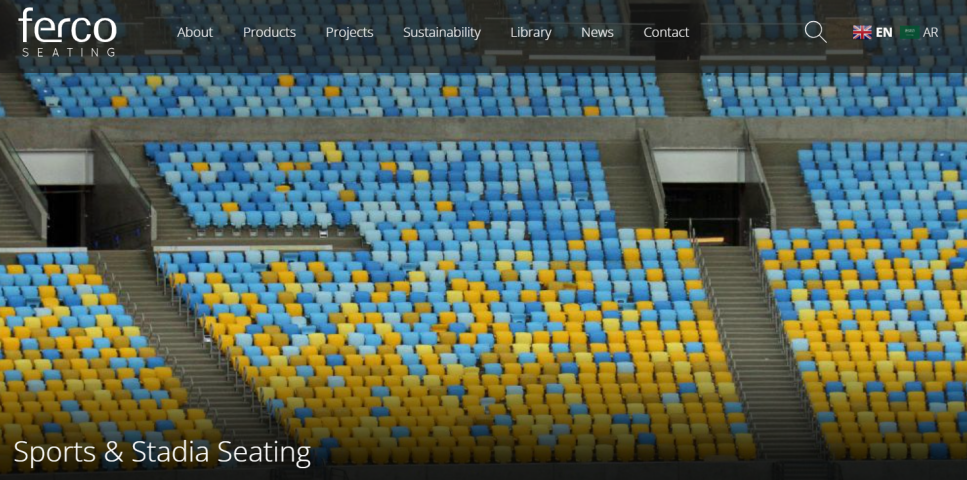
Ferco’s theater seating is often chosen for STEM-focused institutions where students require ample space for both technology and physical textbooks. Their gravity-based tip-up mechanisms are designed for silent operation, ensuring that late-arriving students do not disrupt the lecture. Their products combine British design with global manufacturing efficiency, making them a strong contender for international university projects.
6. Skeie
Skeie is a Norwegian manufacturer that brings Scandinavian design principles to the lecture hall. Their seating is characterized by its use of natural wood and high-end upholstery, creating a warm, focused atmosphere.
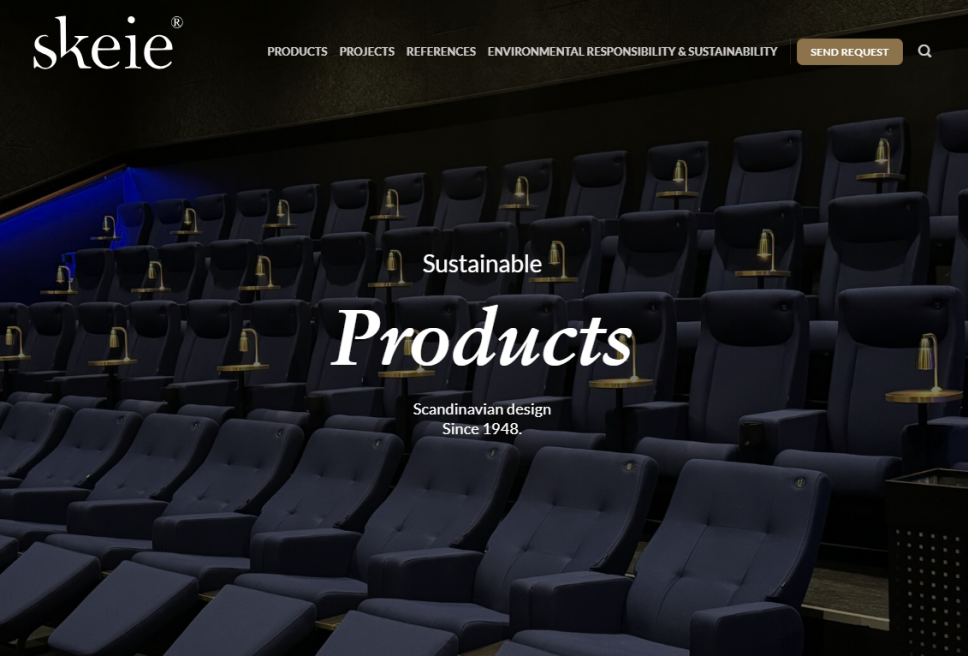
Skeie seats are often found in European universities that prioritize acoustic performance. The underside of their seats can be perforated to aid in sound absorption, which is critical in large halls where clarity of the professor’s voice is paramount. Their focus on sustainability and timeless design makes them a premium choice for high-profile academic institutions.
7. Toda Furniture
Toda Furniture is a Japanese leader in the auditorium seating space, known for precision engineering and compact designs. Their seating is optimized for venues where maximizing capacity is the primary objective without compromising the occupant’s personal space.
The “Toda-fold” mechanisms are famously reliable and smooth, reflecting the brand’s focus on mechanical perfection. Their designs are typically understated and functional, fitting well into the rigorous and disciplined environment of many Asian and international research universities.
8. H2I Group
H2I Group operates as a comprehensive solutions provider, often handling the entire lifecycle of a seating project from design to installation. They curate a range of fixed seating options that are tailored to the specific technical requirements of higher education.
Their expertise lies in the integration of seating with the overall facility design. They are particularly adept at managing the installation of power and data infrastructure within tiered seating systems, ensuring that every seat has access to the digital tools required for modern learning.
9. School Outlet
School Outlet functions as a high-volume provider focused on accessibility and rapid procurement. While they offer a variety of brands, their own curated collaborative series is designed for schools that need functional, no-frills auditorium solutions.
Their products are geared toward institutions that prioritize budget flexibility and quick turnaround times. While perhaps less customizable than high-end architectural brands, their seating meets all essential durability and safety standards for the modern classroom and lecture environment.
Specifying the correct brand requires a thorough understanding of the institutional goals and the specific technical constraints of the lecture hall.
How to Choose Seating for University Lecture Theaters
When evaluating the viability of different seating solutions for an academic environment, facility managers should prioritize these three technical criteria:
- Writing Surface Stability and Size: The writing tablet is the most frequently used component. It must be large enough for a 15-inch laptop and stable enough to prevent vibration while typing. Look for “anti-panic” mechanisms that allow for quick exit without the student needing to manually fold the table.
- Maintenance and Component Replacement: In a university, seats will inevitably be damaged. Choose manufacturers that offer modular designs where the seat pan, backrest, or armrest can be replaced individually without removing the entire chair standard from the floor.
- Integrated Technology Channels: With the shift toward digital learning, seats should ideally include integrated power and data. Ensure the manufacturer provides internal “wireways” that protect the electrical components and meet local electrical codes for public spaces.
These factors ensure that the chosen furniture supports the pedagogical mission of the university while remaining a sustainable long-term asset.
Final Verdict
The ideal choice of auditorium seating depends on the specific operational model and architectural intent of the university. For institutions seeking the highest level of vertical manufacturing quality and a wide range of customizable, high-durability lecture hall seats, Leadcom Seating stands out as the most robust option for large-scale installations.
Institutions focusing on architectural minimalism and collaborative swing-away systems may find Sedia Systems more aligned with their vision. Meanwhile, Ferco Seating remains the niche leader for those requiring the largest possible integrated writing tablets. Ultimately, the success of a university lecture hall installation is measured by its ability to remain functional and comfortable over decades of intensive use.
Frequently Asked Questions
1. What is the difference between gravity tilt and spring-loaded seat return?
Gravity tilt mechanisms rely on a counterweight to return the seat to an upright position. They are generally preferred for lecture theaters because they are virtually silent and have no springs that can lose tension or squeak over time. Spring-loaded systems are often faster but require more frequent maintenance to ensure silent operation.
2. How do BIFMA standards apply to lecture hall seating?
BIFMA (Business and Institutional Furniture Manufacturers Association) provides a set of rigorous tests that simulate years of use. For university seating, this includes “load testing” for writing tablets and “cycle testing” for the fold-up mechanism. A BIFMA-certified seat ensures that the furniture can handle the weight and activity level of a diverse student body.
3. Is “cold-molded foam” really better than standard upholstery foam?
Yes. Cold-molded foam is created in a dedicated mold for each seat shape, resulting in a dense “skin” that prevents the foam from crumbling. This technology ensures the seat remains comfortable for 15-20 years, whereas standard cut foam often degrades and loses its supportive shape within 5-7 years of high-frequency use.
