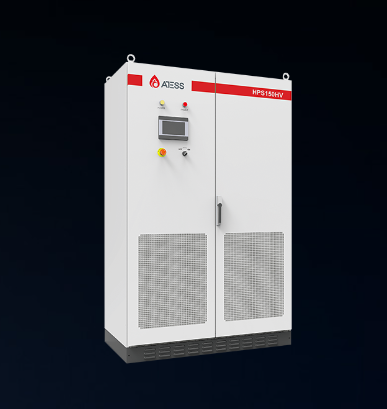
Frequently, property owners evaluate the distinctions between different power conversion technologies to determine which hardware aligns with their specific energy requirements. Atess offers equipment designed for varied setups, highlighting the functional differences between systems that remain connected to the grid and those that operate independently. When evaluating a hybrid inverter, individuals must consider how the hardware manages inputs from both solar panels and the utility network.
Operational Characteristics of System Types
Installation of a solar hybrid inverter allows for a continuous connection to the grid, providing a mechanism to export surplus power or draw additional electricity when production is insufficient. This versatility makes the hybrid inverter a frequent preference for residential environments where grid infrastructure is present. These devices manage the flow of current intelligently, ensuring that batteries are charged efficiently while essential loads remain powered.
Conversely, off-grid systems function entirely without a utility connection. They rely solely on the energy stored within battery arrays to provide power during periods of low solar output. While these systems offer total independence, they lack the backup flexibility provided by a solar hybrid inverter. Atess technical designs focus on maintaining stability regardless of the topology, ensuring that conversion processes remain reliable under diverse load conditions.
Assessing Suitability for Residential Use
Comparing these options requires a review of local energy infrastructure and specific consumption goals. A hybrid inverter facilitates a dynamic exchange of energy, which can be advantageous for reducing operational costs. By prioritizing self-consumption, these units minimize the amount of electricity imported from the grid.
For households aiming to maintain grid access, the solar hybrid inverter provides a stable, dual-path approach to power management. Atess continues to develop solutions that address these specific technical needs, ensuring that hardware installations meet the rigorous demands of modern residential energy systems. Whether the objective involves maximizing grid interaction or ensuring consistent power availability, the provided data indicates that the hardware configuration remains a critical factor for success.
