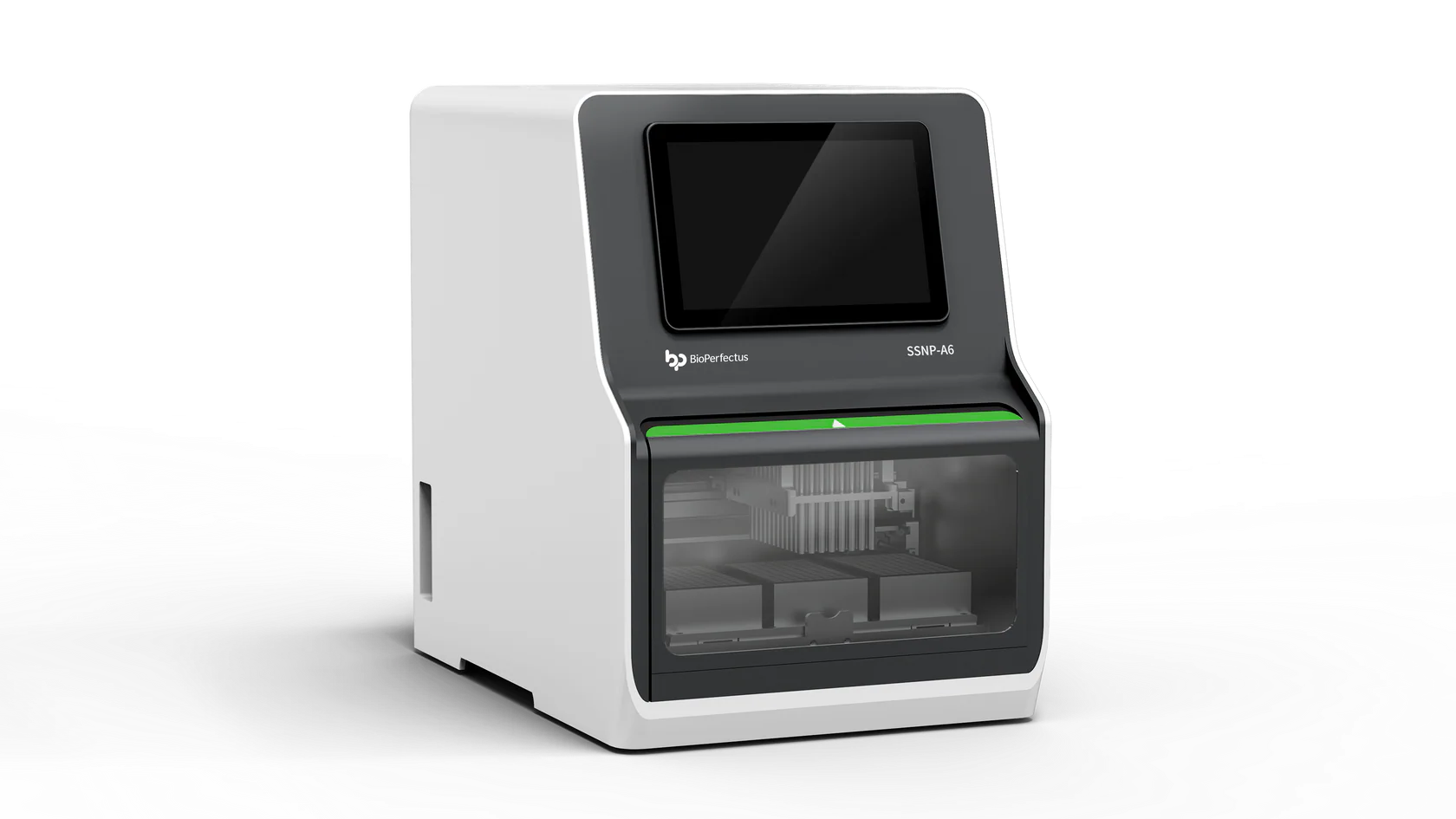
Automated nucleic acid extraction instruments, such as the SSNP-A6 from BPLabLine, are essential tools in modern laboratories. These sophisticated devices facilitate the extraction of nucleic acids from multiple samples quickly and efficiently. To ensure their reliable operation and longevity, proper maintenance and servicing are critical. This article outlines effective practices for maintaining and servicing an automated nucleic acid extraction instrument.
Regular Maintenance Routines
Routine maintenance is vital for optimal performance and accuracy in automated nucleic acid extraction. The first step is to establish a regular cleaning schedule. High-throughput instruments like the SSNP-A6 can accumulate residues from samples and reagents, which can affect performance over time. Cleaning the instrument’s surfaces, pipette tips, and internal components should be conducted following the manufacturer’s recommendations.
One important feature of the SSNP-A6 is its independent air filter, which helps ensure a contaminant-free environment during the extraction process. Regularly checking and replacing this filter is essential for maintaining the integrity of samples. Additionally, the UV light and HEPA filter must be routinely monitored; ensuring they function correctly will significantly reduce contamination risks during sample processing.
Another critical maintenance task involves updating the software. The SSNP-A6 features user-friendly software that allows real-time monitoring of extraction steps. Keeping this software updated ensures not only that the instrument operates efficiently but also that it adheres to the latest compliance and regulatory standards.
Servicing Procedures and Professional Support
While routine maintenance can often be performed by laboratory staff, servicing an automated nucleic acid extraction instrument may require professional assistance. It is advisable to consult the manufacturer’s service recommendations. BPLabLine typically offers comprehensive service programs that include performance checks, calibration, and repairs.
Annual servicing by qualified technicians ensures that all mechanical, electronic, and software components are functioning optimally. These specialists can conduct thorough inspections, recalibrate settings, and replace worn or faulty components. This level of professional care is particularly beneficial for high-throughput instruments like the SSNP-A6, which process up to 96 samples simultaneously.
During servicing, technicians can also provide insight into optimizing the extraction process, ensuring that users get the best performance from their automated nucleic acid extraction instrument. Adherence to regulatory compliance-such as CE-IVDR and FDA certifications-is essential for maintaining laboratory standards and quality control.
Ensuring Longevity and Reliability in Nucleic Acid Extraction
In conclusion, maintaining and servicing an automated nucleic acid extraction instrument like the SSNP-A6 is crucial for ensuring reliable performance and high-quality results. Regular cleaning, filter replacement, and software updates are foundational aspects of routine maintenance. For more comprehensive needs, engaging professional servicing can help prolong the life of the instrument and ensure compliance with stringent regulations.
By following these guidelines, laboratories can enhance the efficiency and reliability of their automated nucleic acid extraction processes. With the right care and support from suppliers like BPLabLine, researchers can confidently advance their molecular biology studies, ensuring precision and accuracy in their analyses.
