Without confirmation of a required component, a proposed production window remains conditional. The component’s availability affects shipment timing through the production arrangement that requires it.
A fridge manufacturer delivery discussion can start with this dependency and then trace the proposed endpoint backwards to the inputs supporting it. Initial purchasing and repeat purchasing raise related questions at different stages: which conditions support this order, and how does later confirmed demand compare with the forecast previously used to plan the proposed production arrangement?
Working Backwards Through Production Dependencies
A shipment proposal presupposes an order that can reach the relevant production stage. Behind that stage are the component conditions and order information on which the production arrangement depends.
In a discussion with a fridge manufacturer, working backwards connects the proposed endpoint with these earlier conditions. The enquiry can identify the production window being discussed, what would support it and which inputs remain outstanding. Each dependency gives part of the timing proposal an identifiable basis.
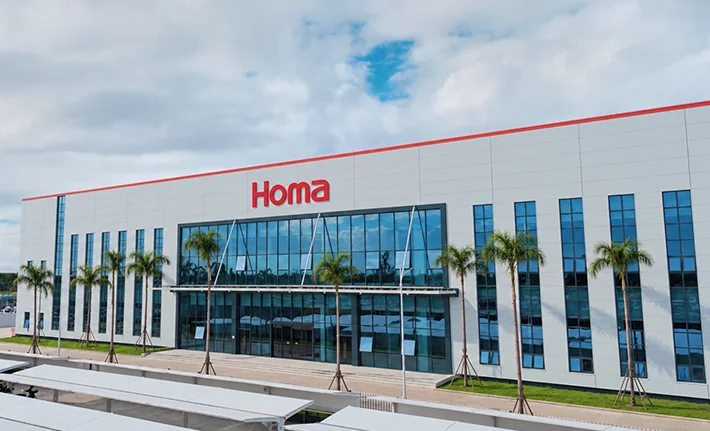
The production node also raises a question about the manufacturing arrangement behind the proposal. Homa Appliances‘ manufacturer guide attributes in-house production to the company and identifies stable sourcing and production planning as delivery factors.
Those descriptions provide background for examining a proposed order’s dependencies. The relevant discussion concerns which production activities and component conditions matter to that order. Their relationship can be explained without treating the general description as proof that every component is internally controlled.
A hypothetical plan might depend on confirmation that a required component will be available for the proposed production window. That condition would connect component sourcing to the production arrangement.
Until it is resolved, the date rests partly on an assumption about availability. The backward enquiry identifies that assumption and the information needed to assess it. With component availability clarified for the particular order under discussion, the buyer can understand which production condition now rests on an established input.
Giving Initial-Order Milestones Their Conditions
An initial-order milestone can express only the stage justified by its supporting inputs. A buyer and a fridge manufacturer may have component availability established but still lack complete order information.
In that situation, the confirmed component does not settle the other dependency. The discussion can trace which next step relies on the missing input and which timing statement still assumes its arrival. This connects a proposed milestone to a combination of known and unresolved conditions.
A milestone can mark when a particular dependency is expected to be resolved. In an illustrative plan, a proposed production window might remain subject to component confirmation and complete order information.
A review point could then concern whether those inputs have become available. This would be a proposed planning method, with no standard reservation procedure presumed. The milestone’s significance lies in the change of condition it represents, from an assumption awaiting information to an input that has been established.
Responsible contacts and review points make the status of those conditions easier to follow. A planning note could identify who is expected to clarify an unresolved component question and when the proposal will be reconsidered.
If the answer changes an earlier assumption, its effect can be located within the dependency chain. The useful record connects the changed condition to the milestone it supports. This keeps the initial-order discussion focused on what the timing proposal actually requires.
Connecting Repeat-Order Forecasts with Confirmed Demand
Expected demand and confirmed repeat orders supply different information. A forecast describes anticipated purchasing; a confirmed order identifies purchasing that has been established. Their relationship matters when a buyer discusses continuing supply with a fridge manufacturer.
Expected demand may be an input to a proposed plan, while the actual order provides the conditions for its own delivery discussion. Keeping both descriptions visible explains which part of the arrangement reflects anticipation and which part reflects current commitments.
The sourcing and production factors identified by Homa Appliances remain relevant as repeat purchasing develops. A forecast can be reviewed against confirmed demand to examine whether the assumptions behind a proposed arrangement still fit.
Any production window discussed for a later order would need its own stated basis. This enquiry does not presume reserved capacity or priority for repeat customers. It connects the expected requirement with the component and production conditions being discussed for that order.
Review points can reveal a difference between anticipated purchases and confirmed orders before the next proposal is assessed. A mismatch provides a reason to revisit the forecast’s underlying assumptions.
The resulting update could concern the expected requirement, an unresolved component condition or the production arrangement under discussion. Recording the difference gives the subsequent enquiry a defined subject. The feedback changes a planning input that can be examined, with each later order considered through the dependencies relevant to its proposed timing.
New inputs from later orders can therefore trigger another examination of the component and production conditions. Earlier assumptions remain useful only where they still describe the proposed arrangement. A review can identify which assumptions carry forward and which still require fresh confirmation for the current order. This creates continuity between purchasing cycles while preserving the conditions attached to each proposal. Understanding the present order’s timing depends on its own component requirements and the production arrangement that supports them.
