Daily riding places repeated demands on an electric scooter that a short test ride may not reveal. Frequent braking, changing road surfaces, stop-start traffic, and regular charging gradually expose differences in component quality, maintenance needs, and riding comfort.
For retailers building a dependable product range, a durable electric scooter should be assessed by how it performs throughout ordinary use, not simply by its appearance or headline specifications. LUYUAN operates in the electric mobility sector, where practical design, component reliability, and after-sales support are important considerations for dealers serving regular riders.
Look Beyond Power and Range Figures
Motor power and advertised range often attract buyers first, but neither measurement describes the entire ownership experience. Actual range depends on battery capacity, rider weight, speed, temperature, road gradients, tyre pressure, and traffic conditions. A scooter used on flat roads for short trips may experience very different energy demands from one that climbs hills or carries heavier loads. Dealers should explain these variables so customers can compare products against their own routines rather than rely on a single advertised figure.
Daily comfort also affects how frequently a vehicle gets used. Seat design, riding posture, suspension, handlebar reach, and vibration control can make a noticeable difference over repeated journeys. A scooter that feels acceptable during a brief demonstration may become tiring if the rider encounters uneven pavement every day. Retailers can gather useful information by asking customers about their typical route, journey duration, road quality, and parking arrangements before recommending a particular category.
Practical ownership requirements deserve equal attention. Charging time, battery access, tyre replacement, routine inspections, and the availability of compatible spare parts all influence convenience over the vehicle’s service life. An electric scooter wholesaler can help retailers evaluate these factors across a product range by providing clear specifications, maintenance guidance, and information about replacement components. Such details support more realistic product comparisons than performance figures alone.
Understand the Components That Affect Everyday Reliability
Braking performance is especially important for scooters used in dense traffic, where riders may need to slow down repeatedly or respond to unexpected obstacles. Buyers should consider the brake system’s design, control feel, maintenance requirements, and performance under the conditions specified by the manufacturer. Tyre condition, road grip, vehicle load, and riding speed also affect stopping distance, so no brake component can compensate for every unsafe situation. Regular inspection remains essential even when a scooter uses upgraded braking technology.
The frame, suspension, wheels, and fastening points experience repeated vibration and mechanical stress during normal use. Their suitability depends on design, materials, manufacturing quality, load limits, and the conditions for which the vehicle was developed. Dealers should check the stated payload and intended riding environment rather than assume that a robust appearance indicates suitability for every road. Clear inspection intervals can also help riders identify loose components, tyre wear, or suspension problems before they affect normal operation.
Battery and electrical-system care form another part of long-term reliability. Charging with the approved equipment, observing the specified temperature limits, and following storage instructions can help preserve battery performance. Buyers should also understand the warranty coverage for the battery, motor, controller, and charger, since these components may have different terms. A genuinely durable electric scooter is best evaluated through the combined performance of its systems, alongside accessible service procedures and realistic maintenance expectations.
Evaluate Braking Control and Supplier Evidence
A braking system should be judged through documented performance and practical usability rather than promotional language. Relevant considerations include the force required at the control, modulation, consistency, wear characteristics, and behaviour during repeated use. Retailers should ask whether performance figures come from controlled testing, what conditions were used, and whether the results apply to the exact vehicle configuration being offered. This makes technical claims easier to communicate accurately to customers.
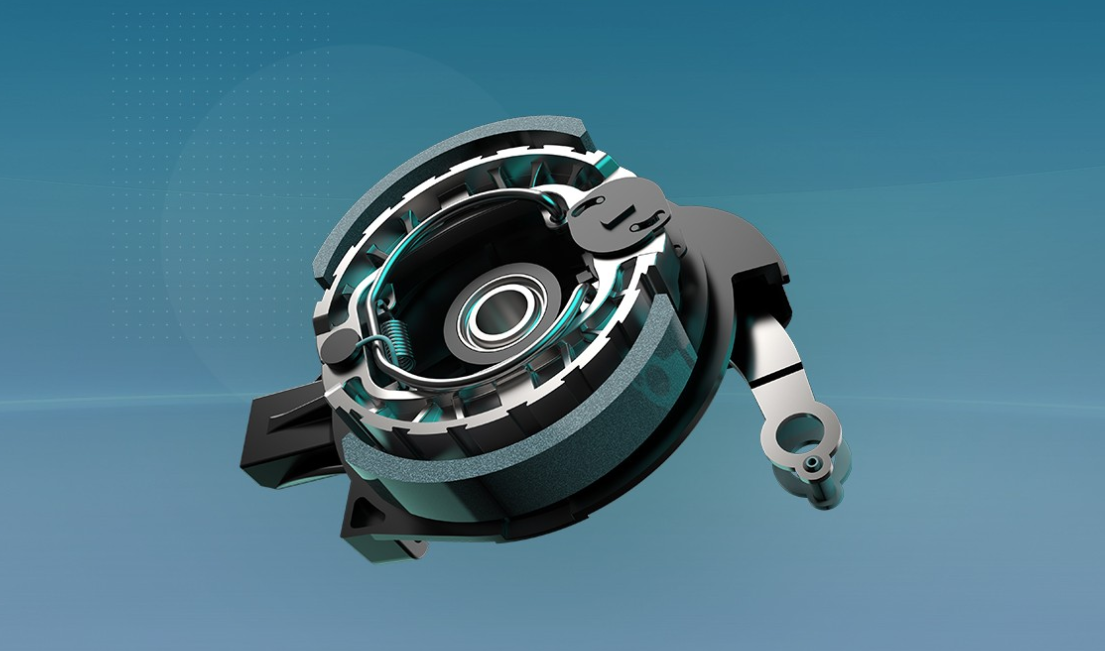
LUYUAN’s supplied product information describes a ceramic braking system with a roller gear mechanism, reporting a 30% shorter braking distance, 75% less braking effort, and five times the service life compared with an unspecified baseline. Those figures should be presented only after the comparison method, test conditions, and applicable model have been confirmed. Since braking results can vary with speed, surface, load, and component condition, they should not be treated as universal outcomes for every rider or environment.
For dealers, technical claims are only one part of the assessment. An electric scooter wholesaler should also be able to clarify which models use the specified braking system, whether replacement parts are available, and what inspection or adjustment procedures apply. These details matter to businesses managing inventory and after-sales service across multiple vehicle categories. Product documentation that connects performance claims with clear maintenance instructions gives retail teams a stronger basis for answering customer questions.
Conclusion
Frequent daily use reveals qualities that showroom appeal and headline specifications cannot fully capture. Comfort, braking control, battery care, component wear, maintenance access, and supplier support all contribute to the ownership experience.
Retailers comparing products should examine these factors together, using documented evidence rather than broad claims to distinguish suitable options. By assessing LUYUAN alongside local demand and service requirements, an electric scooter wholesaler can build a more considered product range and help customers select vehicles that fit their routines over the long term.
