Residential organization continues to evolve as housing dynamics shift globally. Consumers actively seek storage furniture that fits specific spatial constraints. For retail buyers, supplying a rigid, one-size-fits-all organizational category is no longer an effective merchandising strategy. Offering a graduated selection of tiered footwear storage may help businesses capture a broader demographic.
Developing a comprehensive catalog requires evaluating the functional nuances of different product dimensions. From compact entryways to expansive walk-in closets, each residential zone presents unique storage challenges. Procurement teams must carefully analyze how different tier heights address these consumer pain points. Understanding specific configurations supports more precise inventory planning, allowing retailers to optimize warehouse space effectively.
Capturing the Minimalist Market with 3-Tier Racks
The 3-tier rack represents a highly accessible entry-point product for retail catalogs. These compact units are frequently purchased for immediate placement near front doors. Because they occupy minimal vertical space, consumers often utilize them beneath hanging garments in closets. Retailers generally position these low-profile structures to target students and minimalists.
From a logistical perspective, these smaller units present distinct supply chain advantages. Reduced material requirement translates into highly compact, lightweight packaging. This flat-pack efficiency allows wholesale buyers to load significantly more units per shipping container. Maximizing cargo density can lower per-unit transportation costs, providing retail pricing flexibility during seasonal promotional events.
Balancing Utility and Footprint with 5-Tier Models
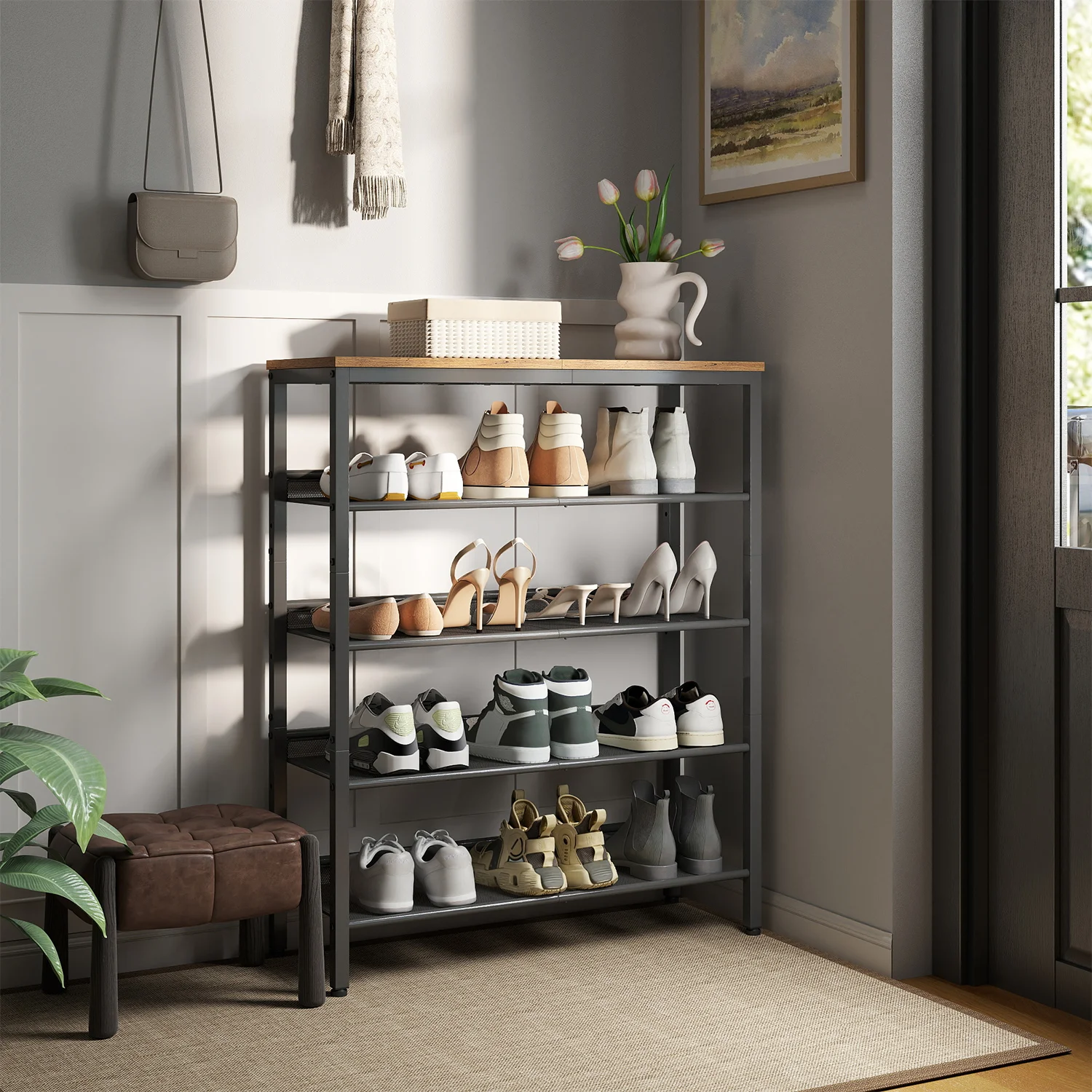
When consumers outgrow entry-level storage, they typically transition to mid-sized organizational tools. The 5-tier rack serves as a practical bridge between compact convenience and heavy-duty capacity. These units appeal strongly to growing families or urban couples sharing apartment closets. Providing this middle option allows retailers to capture shoppers lacking space for massive towers.
Merchandising mid-sized racks offers solid cross-selling opportunities within physical showrooms. Visual merchandising teams often display 5-tier units alongside complementary entryway benches or hanging organizers. This coordinated presentation encourages shoppers to build complete organizational systems. Structuring a portfolio around versatile mid-tier products can effectively drive higher average transaction values while meeting broad consumer needs.
Maximizing Vertical Efficiency via 10-Tier Towers
High-capacity footwear towers address the demands of serious collectors and large households. A 10-tier structure capitalizes entirely on vertical space, making it valuable for homes with limited floor layouts. These towering units require robust engineering to safely support heavy weights without buckling. Buyers must prioritize structural stability when sourcing this category.
Stocking 10-tier units allows businesses to compete in the premium functional storage market. While they command higher retail prices, their immense utility justifies the investment. Procurement managers must verify that these tall structures include reliable wall-anchoring hardware to prevent tipping. Sourcing safe, durable vertical storage helps protect brand reputation.
Adapting to Urban Housing Constraints
Modern urbanization forces consumers to rethink their approach to household clutter. Many city dwellers lack built-in shelving, driving consistent demand for freestanding alternatives. Incorporating diverse shoe storage ideas for small rooms empowers retail buyers to serve this growing demographic. Adjustable or stackable tiered designs allow end-users to customize furniture for narrow hallways.
Modularity is a feature that consistently drives commercial success in the organizational sector. Certain multi-tier racks can split into two smaller units, granting consumers exceptional placement flexibility. Retailers should actively seek out these adaptable designs during procurement. Supplying versatile furniture may help reduce product returns caused by unforeseen spatial conflicts in residential homes.
Evaluating Production Standards and Supplier Scale
Sourcing a balanced portfolio requires collaboration with a versatile shoe rack manufacturer. A reliable factory must demonstrate the capability to produce lightweight 3-tier models alongside heavily reinforced 10-tier towers. Consistency in metal coating and joint durability is vital. Retailers need manufacturing partners that strictly enforce these quality control metrics.
Operational scalability remains equally crucial for wholesale procurement. Retail demand for organizational tools typically spikes during specific periods, such as the spring cleaning season. Suppliers with extensive manufacturing lines can respond swiftly to unexpected order volume increases. This production elasticity helps mitigate costly out-of-stock scenarios when consumer demand peaks.
Leveraging Global B2B Infrastructure
Reviewing established international furniture suppliers can help businesses refine sourcing strategies. SONGMICS HOME functions as a B2B manufacturer specializing in diverse organizational solutions. Their product portfolio encompasses footwear storage across multiple tier heights and configurations. This manufacturing scope enables retail buyers to consolidate category purchasing through one supply network.
To support international distribution, they manage an extensive infrastructure of self-owned logistics centers across strategic global markets. This localized warehousing framework is structured to facilitate timely wholesale order fulfillment. Retailers might find this logistical capability highly advantageous when attempting to stabilize inbound freight operations and maintain steady inventory turnover throughout the fiscal year.
Additionally, their in-house engineering teams actively support Original Equipment Manufacturer projects. This collaborative service allows wholesale clients to customize product dimensions, finishes, or packaging requirements. Tailoring structural features to distinct regional preferences gives retailers the flexibility to differentiate their catalog from competitors, supporting targeted commercial merchandising strategies.
Structuring a Competitive Organizational Portfolio
Curating a resilient retail catalog depends entirely on recognizing the diverse spatial realities of modern consumers. Procurement teams that intentionally stock 3-tier, 5-tier, and 10-tier options create a highly inclusive product range. This graduated approach to inventory planning supports a business in servicing varying household sizes without fragmenting their complex global supply chains.
Aligning with capable manufacturing partners provides the operational foundation necessary to execute this diverse sourcing strategy. Consolidating purchases through a single, versatile network streamlines administrative tasks and optimizes overall freight efficiency. Retailers equipped with strategically scaled storage solutions are well-positioned for sustained commercial growth as consumer demand expands.
