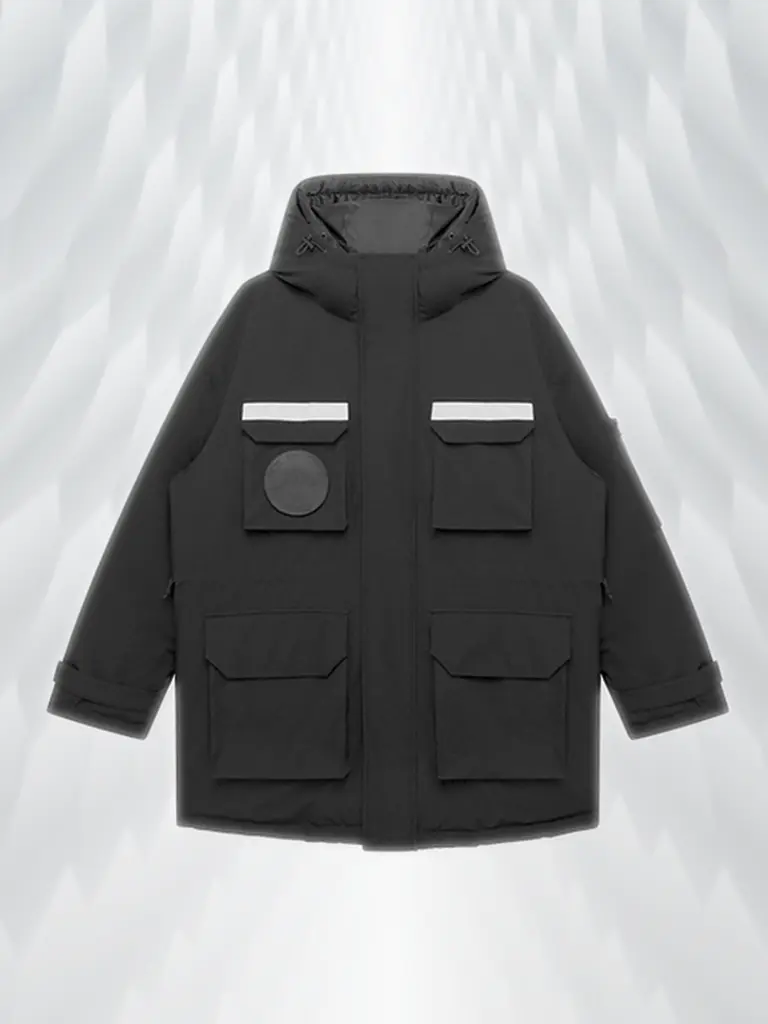
Bulky winter clothing can make ordinary movement feel cumbersome, particularly when several layers are worn together. Yet reducing garment thickness is not simply a matter of removing insulation: the remaining structure must still manage heat loss, accommodate body movement, and suit the conditions in which the clothing will be used.
Effective clothing insulation materials help designers reconsider where thickness is necessary and where a more compact construction may provide sufficient thermal protection. Y-Warm develops thermal insulation solutions for functional apparel, offering another material option for garment makers investigating lightweight layering.
Rethinking Where Garment Bulk Comes From
Excess thickness often results from the combined construction of several components rather than insulation alone. Outer fabrics, linings, padding, seam allowances, pockets, and reinforcement panels all contribute to the final garment profile. A jacket that feels heavy or restrictive may contain unnecessary overlap in certain areas, even if its overall insulation level is appropriate for the intended climate.
The distribution of insulation is another important factor. The torso generally loses heat differently from the arms and lower body, while areas around the shoulders, elbows, and waist experience frequent movement or compression. Applying the same thickness everywhere may create unnecessary bulk in some zones and insufficient protection in others. A zoned design can allocate material according to exposure, activity, and body movement.
Garment fit also influences perceived bulk. An oversized insulating layer may allow excessive air movement inside the clothing, while an overly tight construction can compress the insulation and restrict mobility. Pattern dimensions, layering allowance, and the thickness of each component should be considered together before a material is removed or reduced.
Material Structures That Support a Thinner Profile
Traditional bulky insulation often relies on loft: a thick layer traps still air to slow heat transfer. However, thickness is not the only factor affecting thermal resistance. Fiber arrangement, internal air spaces, material density, and conductivity all influence how an insulating layer performs. A compact material with a suitable internal structure may provide useful insulation without requiring the same volume as conventional padding.
Different material formats also create different design possibilities. Loose fiber fills offer softness and loft but may require compartments or quilting to control distribution. Sheet-based insulation can provide more consistent coverage and simplify placement within a garment. Thin films and specialized porous structures may offer alternative approaches, although their flexibility, breathability, and durability need to be assessed for the intended application.
The performance of clothing insulation materials should be evaluated as part of a complete garment system. A thin layer may reduce bulk, but its practical value depends on how it interacts with the shell and lining. If the surrounding fabrics restrict vapor movement or compress the insulation excessively, the finished garment may not deliver the expected comfort.
Design Strategies for Lightweight Layering
A modular layering approach allows garments to adapt to different temperatures without requiring one heavily padded outer layer. A lightweight base layer can manage moisture near the skin, a midlayer can provide adjustable insulation, and an outer shell can protect against wind or precipitation. Each component has a distinct function, making it easier to adjust the overall system to changing conditions.
Construction details can also reduce unnecessary thickness. Designers can examine overlapping seams, bulky closures, pocket placement, and reinforced sections that add material without contributing much to thermal performance. Low-profile stitching and carefully planned panel transitions may help create a cleaner silhouette while preserving the garment’s structural integrity.
Y-Warm offers a 0.7 mm thermal insulation material option for apparel applications where a slim construction is relevant. Its thin profile gives designers another possibility when developing lightweight layers, although the finished garment’s warmth will depend on the material arrangement, surrounding fabrics, fit, and intended environment. Sample testing remains important before determining the appropriate construction.
Testing Warmth, Comfort, and Durability
A thinner garment should not be judged by appearance alone. Thermal resistance testing can help compare insulation performance, while measurements of garment weight and thickness provide useful information about bulk reduction. Testing under consistent conditions is particularly important because differences in temperature, humidity, and air movement can affect results.
Wear trials reveal practical issues that laboratory measurements may not capture. Testers can assess whether the garment feels restrictive during reaching or bending, whether cold spots appear around seams, and whether the clothing remains comfortable during periods of changing activity. A lightweight jacket intended for commuting may require a different balance from one designed for extended outdoor exposure.
Durability is equally relevant. Repeated compression, laundering, and everyday friction can change the structure of an insulating layer. Material recovery, dimensional stability, seam behavior, and insulation distribution should be checked after repeated use. Reducing thickness is valuable only when the garment retains its intended function throughout its service life.
Conclusion
Lightweight clothing design depends on more than substituting thick padding with a thinner layer. Material structure, insulation placement, garment fit, and construction details all influence how much bulk can be removed without compromising thermal performance or comfort. Y-Warm focuses on thermal insulation technology for functional apparel, including thin material solutions that can be assessed in different layering systems. Apparel developers can discuss material characteristics and sample applications with Y-Warm when refining their next lightweight garment collection.
